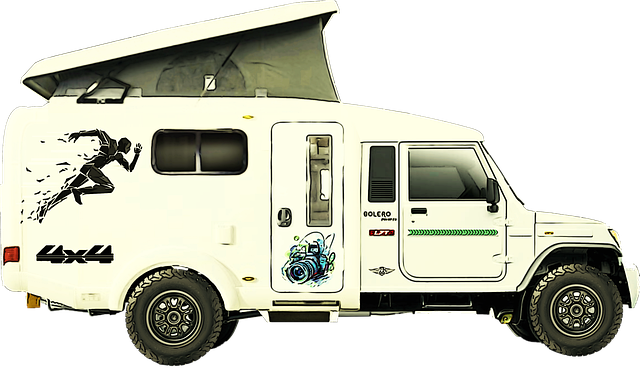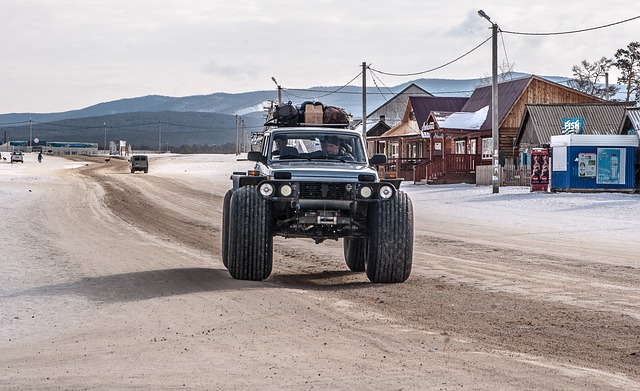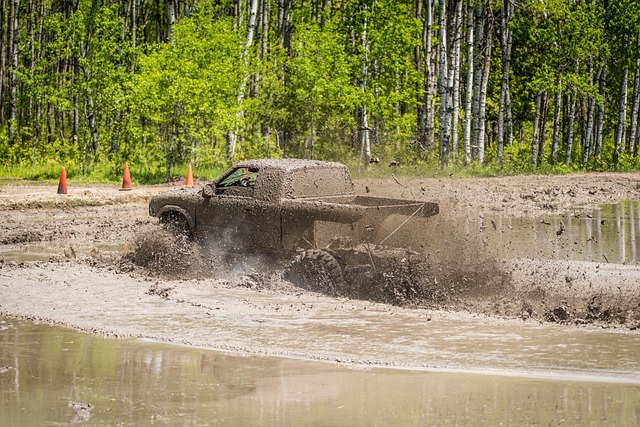




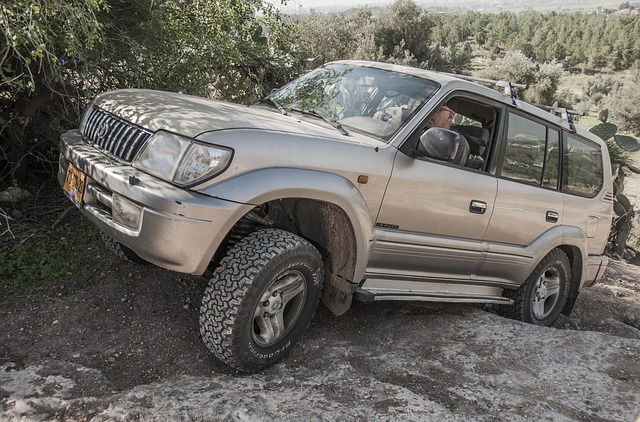



When venturing into the vast and unpredictable landscapes near Brownsville, Texas, having a reliable 4×4 vehicle is crucial. However, even the best-maintained off-road vehicles can face challenges during extended overland trips. Tips for overland 4×4 repair in Brownsville focus on empowering drivers with the knowledge and skills to tackle common issues, ensuring a safer and more enjoyable journey. This article delves into essential performance metrics to monitor and maintain, offering practical advice for on-the-go repairs.
I. Understanding Your 4×4 Vehicle’s Performance Metrics
Before venturing into the wild, familiarize yourself with the key performance indicators (PIs) of your 4×4. Regular checks and maintenance based on these metrics will significantly reduce the likelihood of breakdowns.
A. Engine Performance
- Check Engine Light (CEL): The CEL indicates issues with the engine management system. Regularly monitor sensor readings and address any codes stored in the system to prevent serious engine problems.
- Oil Pressure: Keep an eye on the oil pressure gauge. Low oil pressure can lead to engine damage. Ensure regular oil changes and check for leaks.
- Coolant Temperature: Optimal engine temperature is crucial. A temperature gauge will help you identify overheating issues, requiring prompt action to avoid serious engine damage.
B. Tire Health
- Tire Pressure: Under-inflated tires can cause poor traction, increased wear, and reduced fuel efficiency. Check tire pressure regularly and maintain it according to the manufacturer’s recommendations.
- Tread Wear: Inspect tire tread for uneven wear patterns. Rotate tires periodically and align wheels to ensure even wear, extending tire life.
- Sidewall Damage: Inspect tires for cuts, bulges, or cracks in the sidewalls. These can indicate structural damage, requiring immediate attention.
C. Suspension and Exhaust Systems
- Suspension Components: Regularly inspect suspension parts for signs of wear, such as broken springs or worn shocks. These components are vital for maintaining control on rough terrain.
- Exhaust System Leaks: Check for any leaks in the exhaust system, which could indicate a damaged muffler, pipe, or joint, potentially leading to safety hazards.
- Exhaust Gas Temperature: High temperatures can suggest a performance issue or a potential safety risk. Keep an eye on this metric, especially during long climbs or steep descents.
II. Essential Tools for Overland 4×4 Repairs in Brownsville
Before setting out, pack your vehicle with a comprehensive toolkit tailored for 4×4 repairs. Here are some essential tools to include:
- Multimeter: For checking voltage, current, and resistance in electrical systems.
- Tire repair kit: Including a portable air compressor, tire patches, and a tire plug kit.
- Hydraulic jack and jack stands: Essential for safe vehicle lifting and support.
- Wrench set: A variety of sizes for tightening and loosening bolts.
- Socket set: With both standard and metric sizes, for working on various components.
- Pry bars and screwdrivers: For removing and replacing parts.
- Flashlight: For illuminating dark spaces and hidden issues.
- Emergency battery pack: To jump-start a dead battery.
- First-aid kit: A well-stocked kit for handling minor injuries.
III. Common Overland 4×4 Repair Scenarios in Brownsville
Brownsville’s diverse terrain presents various challenges, leading to common 4×4 repair scenarios. Here’s how to handle them:
A. Flat Tire Repairs
- Safety First: Pull over to a safe location, engage the parking brake, and turn on hazard lights.
- Tire Removal: Use a jack to lift the vehicle and secure it with jack stands. Remove the wheel, and replace it with the spare.
- Air Up: Inflate the spare tire to the recommended pressure. Keep a portable air compressor in your kit for this purpose.
- Tread Check: Inspect the flat tire for damage and check the tread on the spare. Replace it if it shows excessive wear.
B. Basic Engine Diagnostics
- Check Engine Codes: Use a code scanner to read and clear trouble codes. These codes provide insights into engine issues.
- Basic Repairs: Common fixes include replacing faulty sensors, fixing loose connections, or adding engine oil as needed.
- Professional Help: For complex issues, consult a local mechanic familiar with 4x4s.
C. Suspension and Exhaust Repairs
- Suspension Leaks: Locate the source of the leak using a visual inspection. Replace the damaged component, such as a control arm or shock absorber.
- Exhaust System Repairs: For simple holes or cracks, use metal repair tape or a kit to patch them. For more extensive damage, replace the affected section.
IV. Preventive Measures for Long-Distance Overland Trips
To minimize repair needs during long-distance overland trips, follow these preventive measures:
- Pre-Trip Checks: Conduct a thorough vehicle inspection, including all fluids, belts, and hoses.
- Regular Maintenance: Stick to a strict maintenance schedule, including oil changes, filter replacements, and tire rotations.
- Navigation and Planning: Choose routes suitable for your 4×4, and be prepared for unexpected challenges.
- Pack Smart: Bring essential repair tools, spare parts, and emergency supplies tailored to your vehicle.
- Stay Informed: Keep up-to-date weather reports and local road conditions to avoid hazardous situations.
FAQ
Q1: How often should I check my tire pressure?
A1: Check your tire pressure at least once a week, and before long trips. Extreme temperatures and varying terrain can cause pressure fluctuations, so regular monitoring is key.
Q2: What should I do if my 4×4 won’t start?
A2: If your 4×4 won’t start, first check for a dead battery. Use an emergency jump starter to boost it if necessary. Inspect for loose connections, and ensure the ignition system is functioning correctly. Consult a mechanic if the issue persists.
Q3: Can I fix major suspension damage on my own?
A3: While basic suspension repairs like strut replacements are possible for some vehicles, major damage often requires specialized knowledge and equipment. For complex issues, it’s best to seek professional assistance from an experienced 4×4 mechanic.
Conclusion
Tips for overland 4×4 repair in Brownsville focus on proactive maintenance and effective troubleshooting. By understanding your vehicle’s performance metrics, keeping a well-equipped toolkit, and following preventive measures, you can confidently tackle common repair scenarios during your off-road adventures. Remember, safety and preparedness are paramount, so always prioritize thorough inspections and planning before setting out on any overland trip.